


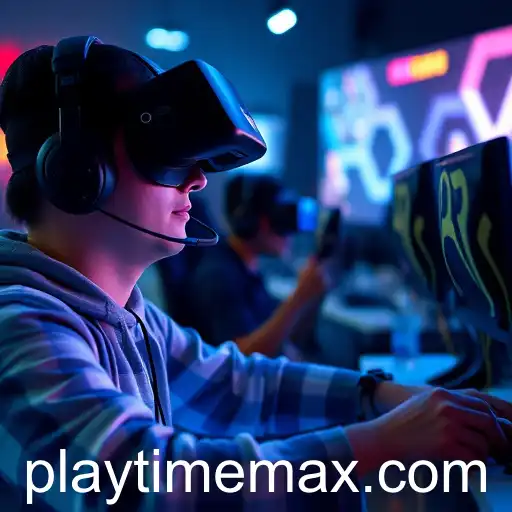
As we embrace the digital age of the mid-2020s, the world of online gaming is experiencing significant transformations. The term 'playtime' has become more than just a measure of how long individuals engage with their favorite games—it's a window into gaming culture itself.
One of the most notable trends in recent years is the integration of virtual reality (VR) technology into mainstream gaming platforms. Players are seeking more immersive experiences, and VR is delivering on that promise by providing an unparalleled sense of presence within games. As a result, playtime is being redefined; it's not just about hours spent in gameplay but also about the quality of the experience.
Moreover, the rise of esports is contributing significantly to the changes in gaming dynamics. With global tournaments attracting millions of viewers and offering substantial prize money, esports has elevated gaming from a hobby to a profession. This shift has profoundly impacted how playtime is perceived, as players now dedicate themselves entirely to mastering skills and strategies needed for competitive play.
Social media platforms are also reshaping how playtime is measured. Gamers now frequently share their experiences, strategies, and achievements online, creating a community where playtime extends beyond individual sessions. This interconnectivity fosters a sense of camaraderie among players and encourages the sharing of knowledge and insights, contributing to the evolution of gaming culture.
Economic factors play a role as well; subscription-based models and microtransactions have altered how games are accessed and played. Players must now consider the value of their playtime in terms of what they are willing to spend, leading to more informed decisions about which games they choose to invest in.
In terms of societal impact, the changing dynamics of playtime highlight a growing recognition of the benefits of gaming, such as improved cognitive skills and enhanced problem-solving abilities. However, it also raises concerns about potential addiction and the balance between virtual and real-world interactions.
Looking ahead, it’s clear that the landscape of online gaming will continue to evolve. As technology advances and player expectations shift, the concept of playtime will also transform, reflecting broader changes in how entertainment is consumed and valued in society.